
Edmonton’s bullion market is busier than ever. Gold and silver prices remain strong, and more everyday people are selling coins, bars, and jewelry to local buyers. For many, it’s a quick way to get cash. But rushing into a sale without asking the right questions can leave you with far less than your items are worth.
There’s one simple step that helps you avoid mistakes: ask for on-the-spot testing.
It’s easy to overlook. It feels technical or unnecessary. But skipping it is how sellers end up underpaid, misled, or unsure of what just happened.
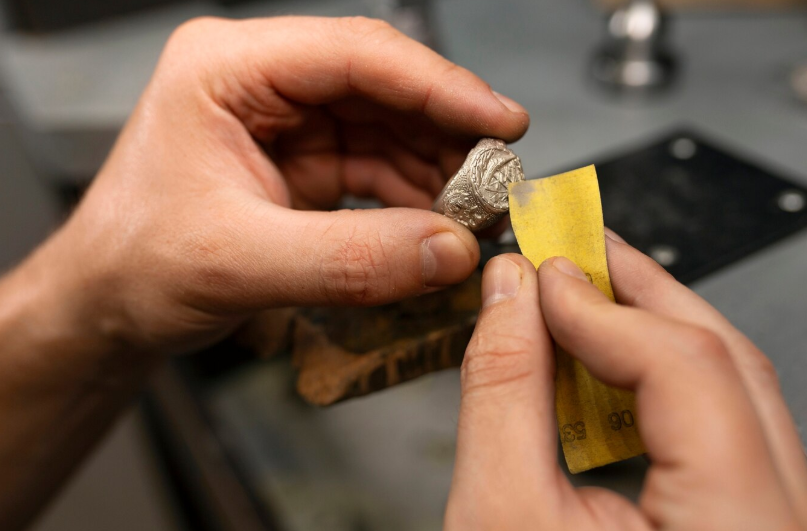
Let’s break down what on-the-spot testing really is, why it matters, and what can go wrong if you skip it, especially right here in the bullion and gold and silver Edmonton market.
What Is On-the-Spot Bullion Testing?
On-the-spot testing means the buyer checks the purity and authenticity of your gold or silver in front of you, during the sale. It doesn’t take long, and it doesn’t damage your bullion. It simply shows both of you what the item is made of, so the price offered actually matches its real value.
Buyers use tools like:
- Electronic testers to scan metal content quickly
- XRF analyzers to identify the full composition of an item
- Magnet tests to rule out common fakes
- Acid testing (carefully done) for karat accuracy
- Digital scales to confirm exact weight
None of this requires technical knowledge from you. You just need to see it happening and understand what it confirms: the item is real, and this is what it’s made of.
Why On-the-Spot Testing Matters for Edmonton Bullion Sellers
It Confirms the Actual Worth of Your Bullion
Gold and silver are priced not just by weight, but by purity.
A 24-karat gold coin is worth much more than one that’s 10 or 14 karats. Without testing, there’s no way to know for sure. Relying on a stamp or guess can cost you real money.
Even if a buyer seems experienced, they may offer less if they aren’t sure about your item’s composition. Testing clears up that uncertainty, for both sides.
It Protects You from Being Underpaid
Many buyers assume you don’t know what you have. Without testing, they might quote a low price and hope you accept. Even honest buyers might undervalue items if they can’t verify purity on the spot.
Testing stops that from happening. It shows you and them exactly what you’re selling.
It Helps You Avoid Selling Fakes or Plated Items by Mistake
Some sellers unknowingly bring in bullion that isn’t genuine. It might be plated or counterfeit, especially if inherited or bought years ago. Without testing, those items might get passed along, until someone finally tests them and discovers the truth.
That could lead to returns, disputes, or even legal issues if the buyer believes you misled them. A quick test now avoids a much bigger problem later.
It Builds Trust in the Transaction
Testing shows the buyer has nothing to hide. If they test your items in front of you, explain what they’re doing, and let you see the results, that’s a strong sign you’re dealing with a transparent professional.
It also makes you more confident in their offer. You’re not just guessing. You’re part of the process.
What Happens When You Don’t Ask for On-the-Spot Testing
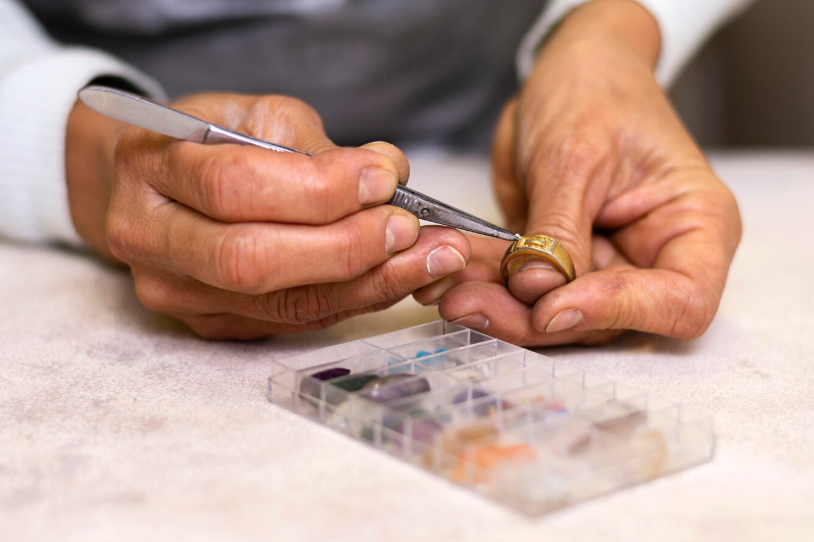
If you skip testing, a few things can go wrong, and they happen more often than you’d think in the Edmonton bullion scene.
You May Be Paid Less Than You Should Be
Without testing, buyers may assume lower purity or deduct value “just in case.” That puts you at a disadvantage, especially if you walk in without knowing the exact karat or composition of your item.
You Could Sell a Fake or Plated Item Without Knowing It
If a buyer doesn’t test it either, the item could be resold to someone else who eventually finds out it’s not real. That could come back to you, and not in a good way.
You Give Up All Your Bargaining Power
When you don’t know exactly what you’re holding, you can’t argue with the price. You’re left with whatever the buyer offers, whether it’s fair or not.
You Can’t Judge the Buyer’s Credibility
A good bullion dealer has no problem testing your items and explaining what they see. If they refuse or brush off your questions, that’s a red flag. Testing is a basic part of doing honest business in this industry
.
How the Edmonton Bullion Market Makes Testing Even More Important
In a bigger city like Edmonton, the bullion trade includes:
- Independent gold buyers
- Pawn shops
- Jewelry stores
- Online-to-local meetup sellers
- Out-of-town dealers running pop-up events
This wide mix of players means the quality of buyers varies. Some are excellent. Others are looking for a quick profit, especially if they sense the seller is inexperienced.
Because so many people now buy gold in Edmonton, competition is high. That can benefit you, but only if you go into the deal prepared. Testing gives you that preparation.
Questions Every Edmonton Bullion Seller Should Ask
Before agreeing to any sale, ask these:
- Do you perform on-the-spot testing?
- Can I watch while you test my item?
- What kind of equipment do you use?
- Is there a charge for testing or valuation?
- Can you explain how you calculated your offer?
A professional won’t just answer these; they’ll appreciate that you asked.
Red Flags to Watch For in Edmonton Bullion Shops
If you notice any of the following, proceed with caution:
- The buyer refuses to test your items
- They rush you to make a decision
- They make an offer before even weighing or examining the bullion
- There’s no visible testing equipment
- They get defensive when asked about purity or pricing
A good dealer will never rush you or discourage questions. If you feel uncomfortable, take your items elsewhere.
What Makes a Good Edmonton Bullion Buyer?
Reputable bullion buyers in Edmonton tend to have:
- Permanent storefronts, not just temporary pop-ups
- Online reviews from real local sellers
- Testing tools in plain sight
- Willingness to explain every step
- Fair pricing based on current market rates
You don’t need to know everything about gold or silver to spot a buyer who acts professionally. Look for confidence, patience, and honesty.
Don’t Fall for These Common Bullion Selling Myths
“It’s stamped, so it must be real.”
Stamps can be faked. And even real stamps don’t guarantee current purity, especially if the item was altered or damaged.
“Testing will damage my gold or silver.”
Most testing methods are non-invasive. Acid tests are done carefully on a small filing or hidden edge, and electronic testers don’t harm the item at all.
“Only buyers need to worry about testing.”
If you’re selling, testing helps you just as much. It tells you what your bullion is really worth and keeps the deal honest.
Take Control of Your Bullion Sale
Selling bullion in Edmonton can be smooth, safe, and profitable if you do one key thing: Ask for on-the-spot testing.
It’s fast. It’s safe. And it puts you in control.
Don’t let anyone rush you or discourage questions. Your gold and silver have real value. You deserve to know exactly what you’re selling, and to be paid accordingly.
So the next time you walk into a bullion shop in Edmonton, remember: If they won’t test it in front of you, don’t sell it to them.