
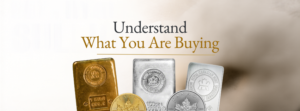
Buying physical gold and silver can seem simple: find a product, check the price, and buy it.
But when you are dealing with a physical asset, where you buy it and where you eventually sell it matters.
The dealer you choose can affect the price you pay, the products available to you, the security of the transaction, and how easily you can sell your bullion in the future.
Whether you are buying your first silver coin, building a larger precious metals position or preparing to sell bullion you already own, understanding a few fundamentals can help you make a more informed decision.
What Is Bullion?
Bullion generally refers to investment-grade bars and coins made from precious metals, such as gold, silver, platinum, and palladium.
Unlike collectible coins, bullion is valued mainly by its precious metal content.
Before buying, familiarize yourself with a few basic terms:
- Ask price: The price at which a dealer is willing to sell.
- Bid price: The price at which a dealer is willing to buy.
- Premium: The amount charged above the bullion value. It can reflect fabrication, distribution, and dealer costs.
- Spread: The difference between the buying and selling price.
Compare More Than the Spot Price
One of the most common mistakes new bullion buyers make is looking at the spot price and expecting to purchase a physical coin or bar for exactly that amount.
Physical bullion normally trades above spot because the product must be refined, fabricated, transported, and distributed.
When comparing dealers, ask for the total purchase price, not simply the advertised premium percentage.
A slightly lower premium doesn’t necessarily mean better overall value if there are additional fees, expensive delivery, or less favourable selling terms.
Look for an Established Dealer
Trust matters when purchasing physical precious metals.
Before choosing a dealer, consider:
- How long has the business been operating?
- Do they have a physical office or established business presence?
- Can you speak directly with someone knowledgeable?
- Are pricing and fees explained clearly?
- Do they clearly identify products by weight, purity, and manufacturer?
- Can they explain how you would eventually sell the bullion?
- Do they clearly outline delivery and storage options?
A bullion purchase shouldn’t feel rushed.
Understand Exactly What You Are Buying
Not every gold or silver product is the same.
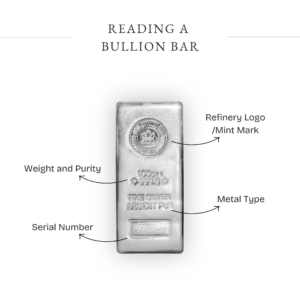
Before purchasing, confirm:
Metal: Gold, silver, platinum, or palladium.
Weight: For example, 1 oz, 10 oz, 100 oz, or 1 kilogram.
Purity: Often shown as fineness, such as .9999 gold or .9999 silver.
Manufacturer: Government mint or recognized private refinery.
Ask About the Buyback Process Before You Buy
This is one of the most important questions many investors forget to ask.
Even if you plan to hold your bullion for many years, understanding the selling process before you buy can help you choose products that better fit your strategy.
Ask the dealer:
- Do you buy bullion back from clients?
- How is your price determined?
- Is it based on the current bid or spot price?
- Are there additional selling fees?
- How quickly is payment issued?
- Can you ship bullion back to me?
- What ID or documentation is required?
Think About Liquidity When Choosing Product Size
Larger bullion bars often have lower premiums per ounce than smaller products.
But larger isn’t automatically better.
Consider an investor who owns one 100 oz silver bar versus an investor who owns ten 10 oz bars.
Both own 100 ounces of silver.
But if the second investor wants to sell only 10 ounces, they may have greater flexibility.
Your ideal product size depends on your investment amount, storage plans, premium tolerance, and how much flexibility you may want when selling.
Decide Between Delivery and Professional Storage
After choosing what to buy, you will need to decide where to store the bullion.
Some investors prefer physical delivery, giving them direct possession of their precious metals.
Others prefer professional storage, particularly as the value or size of their holdings increases.
If considering professional storage, ask:
- Is the bullion insured?
- What are the storage fees?
- How can I withdraw the metals?
- How does selling work when the bullion is already stored?
Neither delivery nor storage is automatically better. The right decision depends on your priorities around security, accessibility, and cost.
Buying precious metals shouldn’t simply be about finding the lowest advertised price.
It should be about understanding what you are buying, what you are paying, who you are buying from, and how you will eventually sell it.
At Worldwide Precious Metals, we believe education and transparency are essential parts of the bullion-buying process.
Our team helps clients understand current pricing, available gold, silver, platinum, and palladium products, purchasing and selling processes, and delivery and storage options.
Whether you are considering your first physical bullion purchase or looking to sell precious metals you already own, our team can help you understand your options before making a decision.