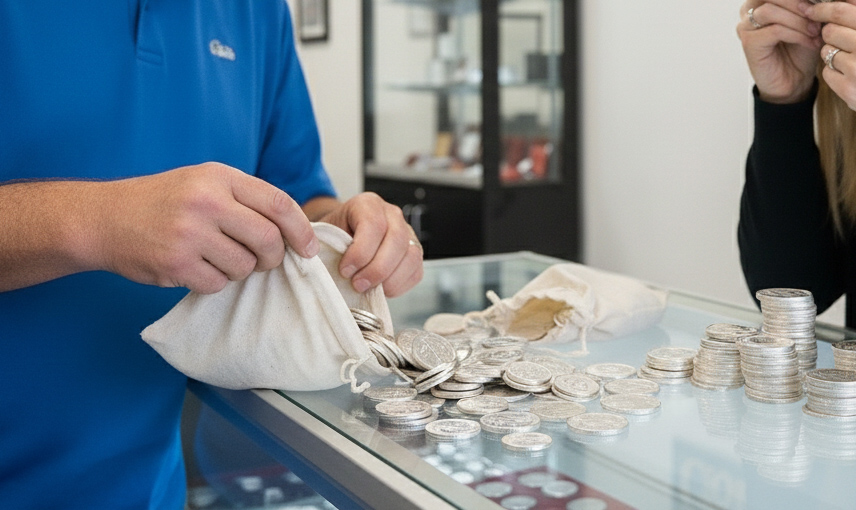
Selling silver bullion can make sense, but only if you understand what affects the outcome. Most people look at the silver price and stop there. In reality, the timing of the sale, the type of silver you have, current market conditions, and who you sell to all play a role in what you receive. Knowing this ahead of time helps avoid rushed decisions and disappointing results.
Silver is also different from other precious metals. It’s used not only as an investment but also in manufacturing and technology, which means its price can move for reasons that have nothing to do with investor sentiment. Being aware of those dynamics makes it easier to decide when selling silver bullion is the right move.
Understanding How the Silver Market Works
Silver prices are shaped by more than just how much is mined or sold. A large part of demand comes from industry. Electronics, solar technology, and manufacturing all rely on silver, which helps support its value even when investor interest cools.
At the same time, silver often attracts investors during periods of inflation, currency weakness, or broader economic uncertainty. Sometimes those forces work together, and prices move quickly. Other times they cancel each other out. For instance, strong industrial demand alongside higher interest rates can keep prices steady instead of pushing them higher.
Understanding this bigger picture helps sellers avoid overreacting to short-term price swings and make more measured decisions.
Spot Price Versus What You Actually Receive
A common mistake when selling silver bullion is assuming the spot price is what you will receive. Spot price is simply a reference point. It reflects the global market value of silver at a specific moment, not the final number a seller is paid.
What you actually receive depends on several factors. Dealers look at current demand, how easy a product is to resell, the size of the transaction, and market liquidity. Some silver products can sell above spot when demand is strong, while others trade closer to it. Understanding this difference helps set realistic expectations and leads to better decisions when selling.
How Product Type Affects Your Sale
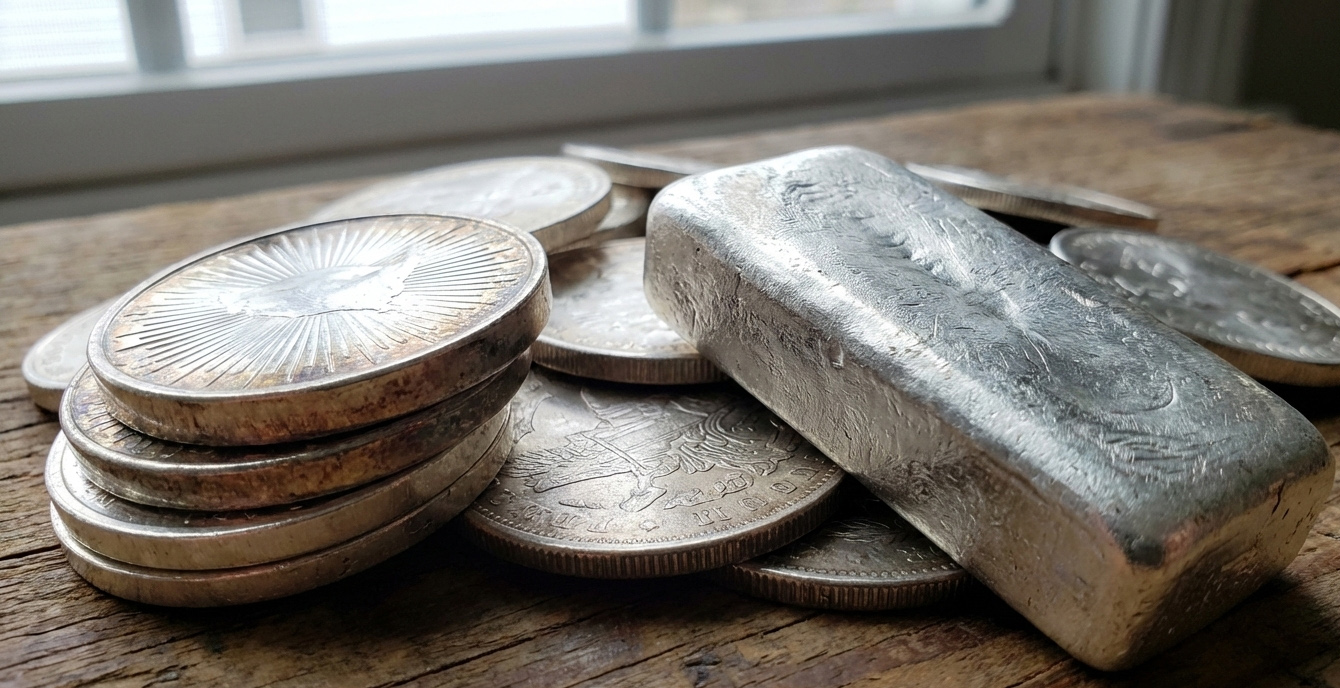
Not all silver bullion is valued the same way when selling. Large bars, smaller bars, and government-minted coins may each be treated differently by buyers.
Larger bars often carry lower premiums but can be attractive to buyers seeking volume. Smaller bars and popular coins may command stronger resale pricing due to ease of resale and wider market appeal. Condition also matters. Clean, well-stored silver with clear markings is easier to verify and resell, which can improve offers.
Knowing exactly what you hold and how it fits into the current market demand allows you to sell more strategically.
Timing Your Sale With Market Conditions
Timing matters when you sell silver bullion, but not in the way most people think. Prices often move in response to inflation reports, interest rate decisions, and broader economic news. During uncertain periods, demand can pick up quickly and create better selling conditions.
Instead of trying to catch the exact top, experienced sellers watch how demand develops over time. Looking at trends over several weeks or months usually leads to better decisions than reacting to day-to-day price moves. Taking a measured approach removes a lot of pressure and leads to more consistent results.
Understanding Tax Considerations
In Canada, taxes can come into play depending on how your silver was purchased and how it’s classified. If you sell silver bullion for more than you paid, capital gains may apply. This is why keeping basic records like purchase prices, dates, and quantities matters more than people expect.
Tax situations vary from person to person, especially with larger sales or repeated transactions. Knowing there may be tax implications ahead of time helps avoid surprises later. For sizeable holdings, a quick conversation with a tax professional can bring clarity before you move forward.
The Importance of Choosing the Right Buyer
Where you sell silver bullion matters just as much as when you sell it. Not every buyer prices silver the same way, and not all of them are upfront about how they arrive at their numbers. Taking the time to work with an established precious metals dealer can make the entire process clearer and far less stressful.
A reputable dealer looks at current market conditions, properly verifies what you’re selling, and explains how pricing is determined. That level of transparency helps prevent undervaluation and keeps the transaction straightforward from start to finish.
Avoiding Common Selling Mistakes
Many sellers make avoidable mistakes when selling silver bullion. One common error is selling too quickly without understanding market conditions. Another is choosing convenience over value by accepting the first offer without comparison.
Failing to understand the difference between product types or ignoring condition can also reduce returns. Taking the time to prepare, research, and choose the right selling environment significantly improves results.
Selling Silver as Part of a Broader Strategy
For long-term investors, selling silver bullion is often part of a broader portfolio strategy rather than a standalone decision. Some investors sell a portion of their holdings to rebalance, capture gains, or shift into other assets while maintaining exposure to precious metals.
This strategic approach reduces risk and keeps investment goals aligned with changing financial circumstances. Viewing silver as part of an overall plan rather than a short-term trade leads to better long-term outcomes.